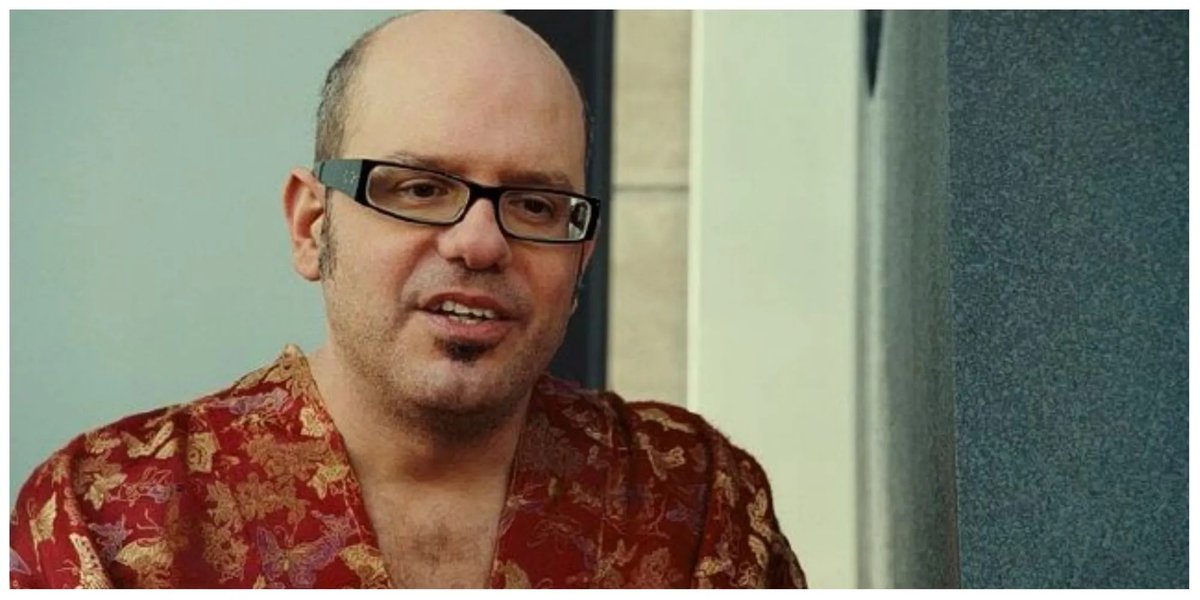
When we talk about some of cinema's most compelling character transformations, figures like Darth Vader or Severus Snape often come to mind. But sometimes, a truly fascinating journey unfolds in unexpected places, offering rich lessons in storytelling and human nature. Enter Ian Hawke, the conniving record executive from the Alvin and the Chipmunks franchise, whose surprising path from relentless antagonist to genuine friend forms a compelling Ian Hawke's Evolution and Redemption Arc. It's a journey filled with ambition, downfall, and an eventual, hard-won turnaround that reminds us that even the most self-serving characters can find their way to a better self.
At a Glance: Ian Hawke's Redemption Journey
- Who He Was: Initially a greedy, manipulative record executive and Dave Seville's rival.
- His Downfall: Repeatedly lost everything due to his deceitful tactics against The Chipmunks and Chipettes.
- Rock Bottom: Ended up broke and working in a humiliating pelican costume on a cruise ship.
- The Turning Point: Put aside his rivalry to genuinely help Dave rescue The Chipmunks in a moment of crisis.
- The Redemption: Earned Dave's forgiveness and friendship through his actions, demonstrating true change.
- The Reward: Regained success and wealth through honest means, selling a screenplay based on his experiences.
- The Takeaway: A powerful example of how humility, selflessness, and a single heroic act can pave the way for a second chance and profound character growth.
From Antagonist to Unexpected Ally: The Trajectory of Ian Hawke
Ian Hawke begins his on-screen life not as a grand villain, but as a relatable, albeit morally compromised, figure in the cutthroat music industry. He's a man driven by ambition, eager to spot the next big thing, and quick to leverage any advantage for personal gain. When he first encounters the singing sensations known as The Chipmunks, his initial reaction is dismissive, rejecting Dave Seville's heartfelt song. But the moment he witnesses their talent, his cynical eyes light up with dollar signs.
This initial encounter in the first Alvin and the Chipmunks film sets the stage for Ian's defining traits: a keen eye for talent, coupled with an utter lack of ethics. He's charming when it serves him, ruthless when necessary, and perfectly willing to manipulate others—even small, singing rodents—to achieve his vision of success. His rivalry with Dave, rooted in their shared past as college roommates, adds a personal sting to his professional machinations, making his antagonism all the more potent.
To truly understand Ian’s initial character, it helps to dive into the core personality traits that define his actions throughout the initial films. You can explore Ian's full history and motivations within the Alvin and the Chipmunks universe to see how these traits consistently influenced his decisions.
The Anatomy of a Downfall: Ian's Early Missteps
Every great redemption arc begins with a clear understanding of the character's flaws and the consequences of those flaws. For Ian Hawke, his journey is a masterclass in how unchecked ambition and a hunger for control can lead to repeated personal and professional collapse.
Unmasking Ian's Core Weaknesses
According to the established framework for character redemption, a crucial first step is to "Know Your Character" and "Reveal Your Character’s Weakness." Ian's personality isn't humble or selfless; he's fiercely proud, intensely competitive, and deeply reliant on external validation through wealth and status. His primary weaknesses are:
- Insatiable Greed: He sees the Chipmunks and later the Chipettes as commodities, not individuals. Their well-being, happiness, or connection to Dave is secondary to album sales and tour profits.
- Deceit and Manipulation: Ian consistently lies, makes false promises, and engineers situations to isolate his artists from positive influences like Dave. He thrives on creating rifts to maintain control.
- Inability to Prioritize Relationships: His past friendship with Dave, a potential ally, is quickly sacrificed for career advancement. He views people as means to an end, not as valued connections.
- Lack of Self-Awareness: Even after suffering massive losses, Ian rarely reflects on his own actions as the cause. He attributes his failures to bad luck or external factors, preventing genuine self-correction.
Goals That Conflict with Redemption
A character's goal often creates tension with their redemption arc. Ian's overarching goal across the first two films is absolute success and control in the music industry, culminating in financial prosperity and revenge against Dave. In the first film, his goal is to make The Chipmunks global superstars under his exclusive management, often overworking them and lying about Dave. When this plan collapses, his goal in The Squeakquel shifts to pure revenge, adopting The Chipettes solely to spite Dave and outcompete The Chipmunks. These goals are inherently self-serving and directly conflict with any path toward ethical conduct or reconciliation.
His manipulative tactics, such as fabricating stories about Dave to alienate The Chipmunks or favoring Brittany among The Chipettes to drive a wedge, are direct manifestations of these conflicting goals. Each victory is short-lived, built on a foundation of lies that inevitably crumbles.
Strength Undermined by Flaws
Ian does possess strengths: he's charismatic, perceptive, and undoubtedly a shrewd businessman. He has the entrepreneurial spirit to recognize raw talent and the drive to push it to market. However, these very strengths are consistently undermined by his weaknesses. His charisma becomes a tool for deception, his perception for exploitation, and his drive for ruthless opportunism. This internal conflict—a capable individual repeatedly failing due to their own moral failings—is what makes his eventual redemption arc so powerful. His talent is undeniable, but until he addresses his character flaws, it will only lead him to repeated downfalls.
Hitting Rock Bottom: The Catalyst for Change
The journey to redemption often requires a character to face the stark consequences of their actions, to be stripped of what they valued most, and to truly hit rock bottom. For Ian Hawke, this wasn't a one-time event; it was a recurring theme, escalating with each film.
In the first Alvin and the Chipmunks movie, his manipulation of The Chipmunks leads to their escape, costing him a world tour, his career at JETT Records, and his fortune. He's left publicly disgraced and professionally ruined. But does he learn his lesson? Not immediately.
By Alvin and the Chipmunks: The Squeakquel, we find Ian jobless and broke, literally living in the JETT Records basement. This is a significant blow, a deep humiliation for a man whose identity was tied to his professional status. Yet, instead of self-reflection, his response is to double down on his previous mistakes, but with a new target and a sharper edge of vengeance. He "adopts" and manages The Chipettes, not out of genuine belief in their talent, but purely as a vehicle for revenge against The Chipmunks and Dave. He repeats his cycle of trickery and favoritism, ultimately losing The Chipettes and ending up, quite literally, in a dumpster.
This repeated pattern of failure, of hitting rock bottom only to crawl back and make the same mistakes, highlights a critical point in redemption arcs: a character cannot truly change until they are forced to confront the futility of their old ways. Ian's journey wasn't about a single moment of realization; it was about the cumulative weight of his choices, each one pushing him further into isolation and despair.
The Pelican Suit: The Ultimate Humiliation
The true catalyst, the moment that seems to finally break Ian's old patterns, arrives in Alvin and the Chipmunks: Chipwrecked. Here, he's no longer a high-powered executive or even a vengeful manager. He's reduced to working on a cruise ship, earning minimum wage, and donning a demeaning pelican costume. This is the ultimate symbol of his fallen status, a public spectacle that strips him of all pride and ego.
This setting—confined, isolated on a ship, stripped of his previous power—forces him into proximity with Dave and the Chipmunks. Initially, his old habits surface; he still tries to stir up trouble, still attempts to sabotage Dave's relationship with the Chipmunks. Old habits die hard, especially for characters whose weaknesses are deeply ingrained.
However, the shift is subtle but profound when a genuine crisis strikes. The Chipmunks and Chipettes become stranded on a deserted island. This external emergency presents Ian with a different kind of goal: survival and, importantly, the opportunity to help others. It's in this moment, amidst real danger and stripped of the artificial constructs of fame and fortune, that Ian's character begins to pivot. He's no longer motivated by greed or revenge, but by the immediate, human need to assist.
The Unlikeliest Hero: Ian's Act of Atonement
The framework for redemption arcs often discusses a character's "Response" to their weakness. Do they recognize it and actively work towards redemption, or are they overwhelmed and redeemed by others? For Ian Hawke, the answer is a compelling blend, leaning heavily towards being redeemed through his actions, which then opens the door for forgiveness from others.
On the deserted island in Chipwrecked, the chips (pun intended) are truly down. The very creatures he once exploited are in peril, and Dave, his former rival, is desperate. Ian doesn't issue a grand apology or declare a sudden change of heart. Instead, he simply acts. He uses his knowledge of the island, his surprising resourcefulness (perhaps a positive aspect of his former drive for survival), and his physical presence to genuinely assist Dave in rescuing The Chipmunks and Chipettes.
Why This Act is Significant
This isn't a minor detail; it's the lynchpin of Ian Hawke's Evolution and Redemption Arc.
- Selflessness Over Self-Interest: For the first time, Ian's actions are not motivated by personal gain. There's no record deal, no money, no revenge to be had. His focus is entirely on helping others. This directly contradicts his defining weakness of greed and manipulation.
- Shared Vulnerability: Being stranded on an island levels the playing field. Ian, Dave, and the Chipmunks are all equally vulnerable, fostering a shared human experience that erodes past resentments.
- Direct Rectification: While he can't undo all his past wrongs, his act of rescue is a direct counterpoint to his previous attempts to endanger and control the Chipmunks. He is literally saving them from a threat, an external heroic act that atones for his internal malice.
- A Different Kind of Strength: His previous "strength" was manipulation. Here, his strength is practical assistance and courage. This shows a positive application of his inherent capabilities when guided by genuine intent.
This shift aligns with examples like Werner Pfennig in All The Light We Cannot See, who redeems himself through a specific act of refusing to let Marie-Laure LeBlanc be killed. It's a pragmatic, action-based redemption, not necessarily born from introspection but from a critical choice in a moment of crisis. Ian Hawke’s journey exemplifies that even without eloquent apologies, transformative actions can speak volumes.
Forgiveness, Friendship, and a Fresh Start: The Culmination of Ian's Arc
The final step in a redemption arc involves a character's "Response to Their Response / To Others’ Response." For Ian Hawke, this is where the arc truly culminates in a satisfying and earned resolution.
After the harrowing experience on the island and Ian's pivotal role in the rescue, the dynamic between him and Dave shifts dramatically. Dave, who had every reason to despise Ian, extends forgiveness and, more importantly, rekindles their old friendship. This is a crucial external act of redemption, offered by the person Ian had wronged the most. It demonstrates Dave's generous spirit and his recognition of Ian's genuine change.
Embracing the New Path
Ian's response to Dave's forgiveness is equally important. He doesn't dismiss it, doesn't try to exploit it, and doesn't retreat into his old ego. He accepts it, wholeheartedly. This signifies a profound internal transformation:
- Loss of Ego: The proud, manipulative executive is gone. The humiliation of the pelican suit, combined with the shared ordeal, has stripped away his excessive pride. He's able to accept help and friendship without trying to dominate the relationship.
- Prioritizing Connection: For the first time, Ian genuinely values the relationship with Dave over any potential personal gain. The restoration of their friendship becomes a reward in itself, far more meaningful than any record deal.
- Genuine Change in Character: The shift is evident not just in his acceptance, but in his future actions. The old Ian would have sought to monetize his rescue effort or manipulate Dave further. The new Ian simply appreciates the connection.
The Symbolic Reward: A Screenplay and Honest Success
The story's resolution grants Ian Hawke a fulfilling "reward" for his transformation. He doesn't just regain his friendship; he also regains his wealth, career, and fame, but this time through honest and creative means. He writes a screenplay detailing his experiences—a narrative of redemption based on his own life. This is a powerful symbolic act:
- Leveraging Experience for Good: Instead of exploiting talent, he leverages his own life experiences to create something of value.
- Earned Success: His new fortune and recognition are not built on deceit or manipulation but on storytelling and creativity. This contrasts sharply with his ill-gotten gains from previous films.
- Full Circle: He returns to a position of influence, but as a transformed individual, now capable of using his talents responsibly.
Ian's redemption arc beautifully demonstrates that while a character might begin their journey driven by conflicting goals, a pivotal choice to help others, coupled with the acceptance of forgiveness, can lead to a truly fresh start. His story offers hope, suggesting that even deeply flawed individuals can find their way back, not just to success, but to genuine human connection.
What Ian Hawke's Redemption Teaches Us About Character Arcs
Ian Hawke's Evolution and Redemption Arc is more than just a plot point in a children's franchise; it's a wonderfully executed example of how to craft a compelling journey of change. His story highlights several key principles that resonate deeply within character development and narrative storytelling:
1. The Power of Progressive Downfall
Ian didn't just fall once; he fell repeatedly, each time more spectacularly and humiliatingly than the last. This progressive downfall hammered home the consequences of his actions and gradually eroded his ego, making his eventual turning point feel earned rather than abrupt. It shows that sometimes, characters need to hit rock bottom, then dig a little deeper, before they're truly ready to change.
2. Action Over Words
Ian's redemption isn't signaled by a tearful confession or a grand speech. It's his actions on the deserted island that speak volumes. This "show, don't tell" approach makes his transformation credible and impactful. It's a reminder that genuine change is often demonstrated through behavior, not just rhetoric. His choice to help Dave was an external, heroic act that truly atoned for his past internal malice, mirroring the redemptive deeds of characters like Werner Pfennig.
3. Redemption as a Two-Way Street
While Ian had to make the choice to act differently, Dave's willingness to offer forgiveness was equally vital. Redemption is not always solely self-earned; sometimes it's extended by others who see the flicker of change. This dynamic provides a powerful message about empathy, second chances, and the healing power of reconciliation. This mirrors Jean Valjean's story where Bishop Myriel's forgiveness provided the catalyst for his transformation.
4. Consequences and Rewards Must Align
Ian's past actions led to isolation, poverty, and humiliation. His redemptive actions, however, led to restored friendship and legitimate success. The narrative ensures that the consequences of his choices, both good and bad, are logically and emotionally consistent. The reward of a new career, built on his own story, symbolizes a man who has learned to create value without exploitation.
5. Hope for Even the Most Flawed
Perhaps the most enduring lesson from Ian's arc is the message of hope. If a character as self-serving and manipulative as Ian Hawke can find redemption and genuine friendship, it suggests that such transformation is possible for anyone. This offers a powerful, optimistic outlook on human nature and the capacity for growth. The narrative of Ian Hawke's complete arc within the Chipmunks saga serves as a testament to this enduring theme.
Common Questions About Ian Hawke's Transformation
Understanding Ian Hawke's journey often prompts a few key questions. Here are some crisp answers:
Was Ian Hawke truly redeemed?
Yes, Ian Hawke was truly redeemed. His transformation wasn't instantaneous or without relapse (his initial attempts to sabotage on the cruise ship), but his decisive act of selflessly helping Dave rescue the Chipmunks, followed by his sincere acceptance of Dave's friendship and his pursuit of honest work (screenwriting), demonstrates a fundamental shift in his character from manipulative to genuinely good-hearted.
How did Ian Hawke get rich again?
After being redeemed and befriending Dave, Ian Hawke didn't return to exploiting musical talent. Instead, he used his experiences to write a successful screenplay, selling it for a considerable sum. This new wealth was earned through legitimate creative work, symbolizing his complete departure from his past unethical practices.
What role did Dave play in Ian's redemption?
Dave Seville played a crucial role in Ian's redemption by being the consistent moral compass and, ultimately, the one who extended forgiveness and friendship. Despite all of Ian's past betrayals, Dave's willingness to trust and reconcile with Ian after his heroic act on the island solidified Ian's change and provided the context for his reintegration and ultimate happiness. Without Dave's forgiveness, Ian's redemption would have felt incomplete.
Did Ian ever apologize for his past actions?
While the films don't feature a grand, explicit apology scene where Ian verbally lists all his past wrongs, his actions on the island and his subsequent acceptance of Dave's friendship serve as a powerful non-verbal apology and rectification. His willingness to sacrifice his own comfort and safety for the Chipmunks demonstrates a silent acknowledgment of his past harms and a commitment to doing right.
Crafting Your Own Narrative of Change: Lessons from Ian Hawke
Whether you're analyzing characters or trying to build compelling narratives, Ian Hawke's Evolution and Redemption Arc offers invaluable insights. It teaches us that effective character arcs require consistent development, clear consequences for actions, and a believable turning point that forces a character to confront their true self.
When approaching a character who needs to change, consider these principles drawn from Ian's journey:
- Start with Deep Flaws: A character with nothing to overcome has no arc. Ian's extreme greed and deceit provided a rich foundation for transformation.
- Escalate Consequences: Don't let your character off easy. Let them face the full weight of their mistakes until their old ways become unsustainable.
- Identify a Catalyst: There needs to be a "rock bottom" or a critical event that forces a shift in perspective. For Ian, it was the pelican suit and the island emergency.
- Show, Don't Tell the Change: Actions speak louder than words. A character's willingness to act selflessly, even in small ways, is more convincing than any declaration.
- Allow for External Forgiveness: Redemption isn't always solitary. The acceptance and forgiveness of others can be a powerful final step, demonstrating the character's reintegration and worthiness.
Ian Hawke's story is a testament to the enduring power of redemption. It's a reminder that even the most seemingly irredeemable characters can evolve, find friendship, and ultimately, discover a more fulfilling path when they choose to shed their old skins and embrace a chance for genuine change.