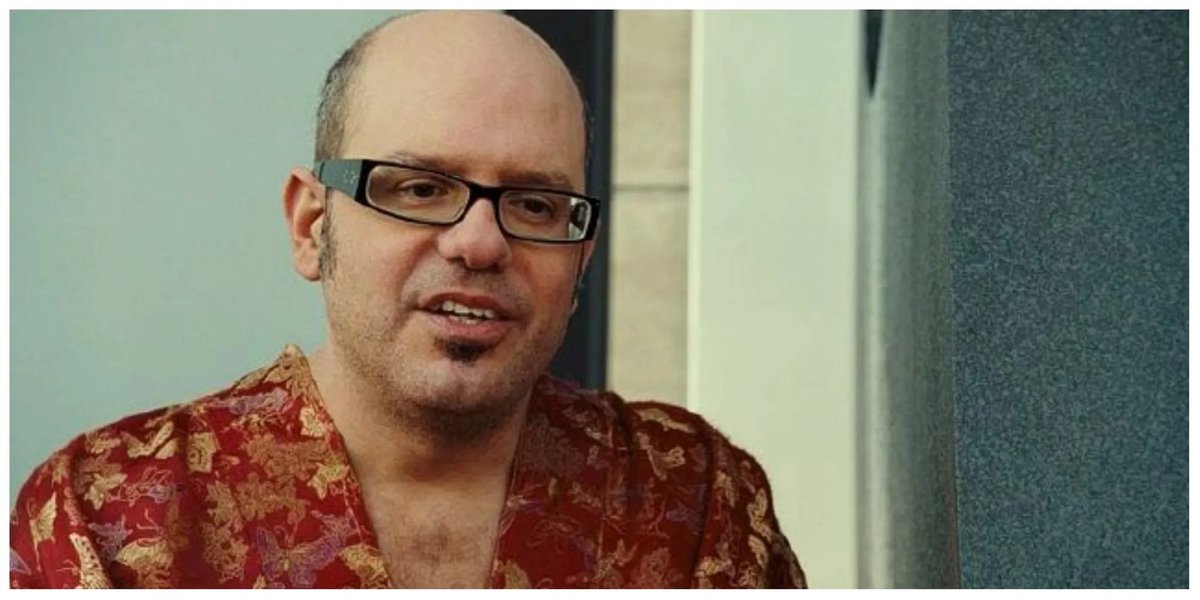
From corporate shark to disgraced pelican to redeemed screenwriter, Ian Hawke’s journey across the Alvin and the Chipmunks film series is a masterclass in evolving villainy, ambition, and an unexpected path to atonement. You might remember him as the smarmy record executive, the bitter rival, or even the guy in the giant pelican costume. Regardless, Ian Hawke, brilliantly brought to life by David Cross, left an indelible mark, serving as both a primary antagonist and, eventually, a surprising ally. His most Iconic Ian Hawke Scenes and Quotes aren’t just memorable for their comedic timing or nefarious intent; they track the moral compass of a man obsessed with success, then revenge, and finally, a semblance of dignity and humanity.
Ian Hawke: At a Glance
- Who He Is: Main antagonist of the Alvin and the Chipmunks film series (2007-2011).
- Actor: David Cross, known for his distinctive comedic style.
- Original Role: CEO of JETT Records, an ambitious music executive.
- Key Traits: Manipulative, intelligent, charismatic (initially), opportunistic, later humbled and reformed.
- His Arc: Exploits the Chipmunks, then the Chipettes, loses everything, works as a pelican, gets stranded, helps Dave, becomes a screenwriter, and reconciles.
- Significance: Serves as a foil to Dave Seville, illustrating the dangers of greed and the possibility of redemption.
- Notable for: His sharp wit, dramatic downfalls, and surprisingly heartfelt transformation.
The Unforgettable Uncle Ian: An Introduction to a Complex Character
When you first encounter Ian Hawke, he's the embodiment of corporate greed wrapped in a slick suit. As Dave Seville's former college roommate and later his professional rival, Ian presents himself as the gatekeeper to fame and fortune. His initial dismissal of Dave's music, only to quickly pivot when he sees the Chipmunks' raw talent, perfectly sets the stage for his opportunistic nature. He's not just a bad guy; he's a highly intelligent, albeit morally bankrupt, businessman who sees everything and everyone as a commodity.
David Cross's portrayal injects Ian with a unique blend of arrogance, insecurity, and an almost pathetic desperation that makes him far more compelling than a one-dimensional villain. He's funny, even when he's despicable, making his dramatic shifts in fortune all the more impactful. His journey isn't just about good versus evil; it's a commentary on the corrosive nature of ambition and the unexpected paths to finding one's true self.
Act I: The Apex Predator of Pop – Ian's Early Villainy
In the first Alvin and the Chipmunks film, Ian Hawke is at his most powerful and most overtly villainous. He represents everything Dave Seville isn't: cynical, exploitative, and driven solely by profit. His goal is simple: become rich by any means necessary, and the Chipmunks are his golden ticket.
Defining Scenes and Quotes:
- The Initial Rejection, Then Swift Acquisition: After Dave first brings the Chipmunks to JETT Records, Ian is dismissive: "Animals don't sing, Dave. They make noise, and they get diseases." Yet, moments later, after witnessing their impromptu performance, his eyes light up with dollar signs. This rapid change encapsulates his calculated, results-driven personality. He doesn't care about art; he cares about marketability.
- "We're gonna be rich, rich, rich!" This isn't just a line; it's Ian's mantra. He utters it with a predatory gleam, envisioning a future where the Chipmunks' talent fuels his lavish lifestyle. It highlights his core motivation: unbridled avarice.
- Exploiting Their Innocence: Ian's manipulation of the Chipmunks is a hallmark of his early villainy. He showers them with gifts, convinces them that Dave is holding them back, and gradually poisons their relationship with their true guardian. He tells them, "You're stars now, boys. You don't need him," effectively isolating them from Dave's grounded influence. This scene is particularly painful as it shows his willingness to exploit naive trust.
- The Overworked Performance: Pushing the Chipmunks to the brink of vocal exhaustion, Ian forces them into relentless touring and promotional appearances. When they complain, he barks, "You're gonna sing, you're gonna dance, and you're gonna smile!" It's a stark portrayal of forced labor and animal cruelty, demonstrating his complete disregard for their well-being in pursuit of profit.
- The "Chipmunks Live!" Concert Meltdown: The climax of the first film sees Ian's empire crumble. When the Chipmunks refuse to perform, revealing their exhaustion and loyalty to Dave, Ian attempts to force them into a cage. This public humiliation, combined with his desperate attempt to sing himself, is the moment his career implodes. He becomes a laughingstock, his arrogance turning into pathetic fury. This pivotal sequence underscores the consequences of his exploitation and sets the stage for his subsequent downfall.
Act II: The Bitter Schemer – Revenge and the Chipettes
Stripped of his wealth and career, Ian Hawke's motivation shifts from pure greed to vengeful spite in Alvin and the Chipmunks: The Squeakquel. Now jobless and broke, living in his former office building, he finds a new opportunity for revenge: the Chipettes. He sees them not as talent to nurture, but as tools to destroy the Chipmunks and reclaim his status.
Defining Scenes and Quotes:
- The Homeless Pelican: We find Ian living in the JETT Records building, a shell of his former self, still clinging to a faded photograph of his success. His desperation is palpable, setting the stage for his next scheme. He mutters to himself, "They took everything from me. Everything!" This quote perfectly encapsulates his victim mentality and simmering resentment.
- "Hello, little ladies. Have you ever dreamed of stardom?" Ian's re-entry into the music scene involves finding the Chipettes and adopting them, mirroring Dave's initial adoption of the Chipmunks. He manipulates them with promises of fame, subtly turning them against their male counterparts. This echoes his earlier tactics but is now fueled by a deeper, more personal animosity towards the Chipmunks and Dave.
- The Battle of the Bands Manipulation: Ian orchestrates a scenario where the Chipmunks and Chipettes are pitted against each other, exacerbating rivalries. He plays on the Chipettes' ambitions, whispering insidious suggestions about how they can outshine the boys. He tells Brittany, "You deserve to be the star, not those overgrown squirrels!" His charisma, though tarnished, is still effective in sowing discord.
- The Cage Redux: History repeats itself as Ian attempts to lock the Chipettes in a cage to force them to perform, much like he did with the Chipmunks. This scene is a tragic testament to his inability to learn from past mistakes. His desperate yell, "Get in the cage, you little divas!" highlights his loss of control and the recurrence of his abusive patterns.
- The Security Escort: His plan once again fails spectacularly, leading to another public disgrace. Dragged away by security, his pleas and protests are ignored, solidifying his status as a recurring, yet increasingly pathetic, antagonist. His pathetic cries for recognition as he's hauled off mark another rock bottom.
Act III: The Pelican's Plight and Path to Redemption
Alvin and the Chipmunks: Chipwrecked presents Ian Hawke at his lowest point, devoid of any semblance of his former life. Working as a costumed pelican on a cruise ship, he's lost his dignity and opportunities. This film, however, marks a significant turning point, showing a vulnerable, human side and ultimately, his reform.
Defining Scenes and Quotes:
- "They call me 'The Pelican.'" Ian's introduction as a cruise ship mascot is both hilarious and heartbreaking. He's forced to wear a humiliating costume and interact with children, a stark contrast to his CEO days. His resigned delivery of this line speaks volumes about how far he's fallen and the shame he carries. You can practically feel the weight of his past life as he tries to muster enthusiasm. To truly explore Ian Alvin and the Chipmunks's full transformation, this is a crucial entry point.
- Stranded Together: When Ian, Dave, and the Chipmunks/Chipettes are shipwrecked on a remote island, Ian's survival skills – or lack thereof – become apparent. Stripped of his material comforts, he's forced to confront his past and rely on others. The initial animosity with Dave begins to thaw as they face common dangers.
- The Volcano Escape and the Leap of Faith: A truly iconic moment comes when Ian, having spent days with Dave on the island, finds himself in a desperate situation. Dave is about to fall from a cliff, and Ian, despite his past, extends a hand to help. This physical act of assistance is a powerful symbol of his turning point. He's no longer just looking out for himself.
- "I just want to help, Dave. I really do." This quote, delivered with genuine sincerity, signifies a profound shift. Ian is no longer scheming; he's genuinely trying to be useful and make amends. His willingness to put himself in harm's way for the group, especially for Dave, is a testament to his burgeoning redemption.
- Convincing Zoe: Ian's ultimate act of redemption involves convincing the treasure-hunter Zoe to abandon her own vengeful quest. He draws on his own experiences, realizing the futility of holding onto bitterness. This demonstrates not just a change in his actions, but in his philosophy. He genuinely uses his manipulative charisma for good this time.
- The Screenwriter's Revival: By the film's end, Ian, having successfully helped Dave and the Chipmunks, sells Zoe's story to Hollywood. He reclaims his fame and fortune, not through exploitation, but through a legitimate creative endeavor. This final redemption arc solidifies his status as a complex character who found a way back from the brink, transforming into a successful screenwriter, a far cry from his villainous origins.
More Than Just a Villain: Ian's Unique Role in the Chipmunks Universe
Ian Hawke isn't just a generic antagonist; he plays several critical roles that deepen the narrative of the Alvin and the Chipmunks films.
- A Foil to Dave Seville: Ian serves as a direct contrast to Dave. Where Dave is altruistic, patient, and genuinely cares for the Chipmunks as family, Ian is selfish, impulsive, and sees them only as a means to an end. Ian's journey shows what Dave could have become if he'd given in to the temptation of exploiting the Chipmunks' talent. Their rivalry, born from college days, evolves from professional competition to personal animosity, and finally, to reluctant respect.
- Symbol of Corporate Greed: In the first two films, Ian embodies the cutthroat, exploitative side of the music industry. He's a cautionary tale about the perils of prioritizing profit over people (or chipmunks). His initial success and subsequent spectacular failures highlight the short-sightedness of such a worldview.
- The Human Element of Redemption: Perhaps Ian's most important contribution is his redemption arc. Most villains in family films remain villains. Ian's transformation from pure evil to a reformed character who genuinely helps the protagonists is rare and offers a powerful message about second chances and the capacity for change, even in the most cynical individuals.
Key Themes Explored Through Ian Hawke
Ian Hawke's character provides a surprisingly rich platform for exploring universal themes:
- Greed vs. Empathy: Ian's initial trajectory is defined by his insatiable greed, which blinds him to the well-being of others. His eventual redemption highlights the profound shift that occurs when empathy and genuine connection replace self-interest.
- The Corrupting Influence of Fame and Power: Ian's story is a cautionary tale about how easily power and the pursuit of fame can corrupt. His arrogance grows with his success, only to be painfully stripped away.
- The Possibility of Change: At its core, Ian's journey is about transformation. It suggests that even deeply flawed individuals, when faced with extreme hardship and forced self-reflection, can choose a different path. This message resonates strongly in a series aimed at younger audiences.
The Craft Behind the Character: David Cross's Portrayal
It's impossible to discuss Ian Hawke without acknowledging David Cross's masterful performance. Cross, known for his acerbic wit and dry comedic delivery, infuses Ian with a layered personality that goes beyond simple villainy.
- Verbal Dexterity: Cross's ability to deliver snappy, often sarcastic lines with perfect comedic timing makes even Ian's most despicable moments entertaining. He can turn a simple phrase into a cutting remark or a pathetic plea with equal skill.
- Physical Comedy: From his exaggerated fits of rage to his humiliated shuffling in the pelican costume, Cross uses his body to convey Ian's shifting fortunes and emotional states. The stark contrast between the confident CEO and the defeated mascot is largely due to his physical acting.
- Subtle Vulnerability: Despite Ian's arrogance, Cross often allows glimpses of insecurity and desperation to show through, especially in the latter films. This vulnerability makes his eventual redemption feel earned rather than abrupt, adding depth to a character who could easily have been a caricature.
Lessons from Uncle Ian's Journey
While Ian Hawke's story unfolds in a world of talking chipmunks, the lessons embedded in his journey are surprisingly relatable:
- True Success Isn't Just About Money: Ian achieves monetary success twice, but it's only after he finds genuine purpose and connection that he achieves true fulfillment. His final venture as a screenwriter, born from a shared experience and genuine creativity, proves far more satisfying than his exploitative record deals.
- Humility Can Be a Powerful Teacher: Ian's dramatic downfalls, losing everything not once but twice, force him into positions of extreme humility. It's during these moments that he begins to reflect and ultimately change. Sometimes, hitting rock bottom is the only way to see clearly.
- It's Never Too Late for Redemption: Even after years of selfish and manipulative behavior, Ian finds a way to make amends and turn his life around. His story offers hope that people can change, learn from their mistakes, and contribute positively, regardless of their past.
Frequently Asked Questions About Ian Hawke
Q: Is Ian Hawke a truly evil villain, or more of a comedic one?
A: Ian Hawke begins as a genuinely self-serving, exploitative antagonist who commits numerous harmful acts. However, David Cross's comedic portrayal and Ian's increasingly pathetic circumstances often lean into comedic villainy. By the third film, he fully transitions from villain to comedic ally with a path to redemption.
Q: Why wasn't Ian Hawke in Alvin and the Chipmunks: The Road Chip?
A: The character of Ian Hawke did not appear in the fourth film, Alvin and the Chipmunks: The Road Chip. This was likely due to his redemption arc being completed in Chipwrecked, leaving no narrative reason for him to return as an antagonist, and potentially a desire to introduce new character dynamics and challenges for the Chipmunks.
Q: What exactly were Ian Hawke's crimes throughout the series?
A: Ian's rap sheet is extensive, including financial corruption, exploitation of minors (the Chipmunks/Chipettes), emotional abuse, kidnapping (attempted), animal cruelty, forced labor, blackmail, theft, invasion of property, death threats, false imprisonment, attempted murder, and implied tax fraud. He was truly a multi-faceted criminal!
Q: How did Ian Hawke become a screenwriter at the end of Chipwrecked?
A: After being stranded on the island with Dave and the Chipmunks, Ian was privy to the extraordinary events that transpired, including Zoe's treasure hunt. Upon their rescue and return to civilization, Ian leveraged his natural charisma and understanding of the entertainment industry to sell Zoe's incredible story to Hollywood, successfully reinventing himself as a screenwriter and regaining his fortune through legitimate means.
The End of the Road, or Just the Beginning?
Ian Hawke's journey from corporate villain to redeemed screenwriter is one of the most compelling character arcs in the Alvin and the Chipmunks film series. His Iconic Ian Hawke Scenes and Quotes not only provide moments of humor and tension but also serve as milestones in his dramatic transformation. He teaches us that ambition, unchecked, can be destructive, but even the most self-serving individuals can find a path to empathy and genuine success. Ian Hawke reminds us that while some may start as antagonists, their story doesn't have to end there. Instead, it can evolve into an unexpected tale of second chances and the enduring power of humanity – even in a world of singing chipmunks.