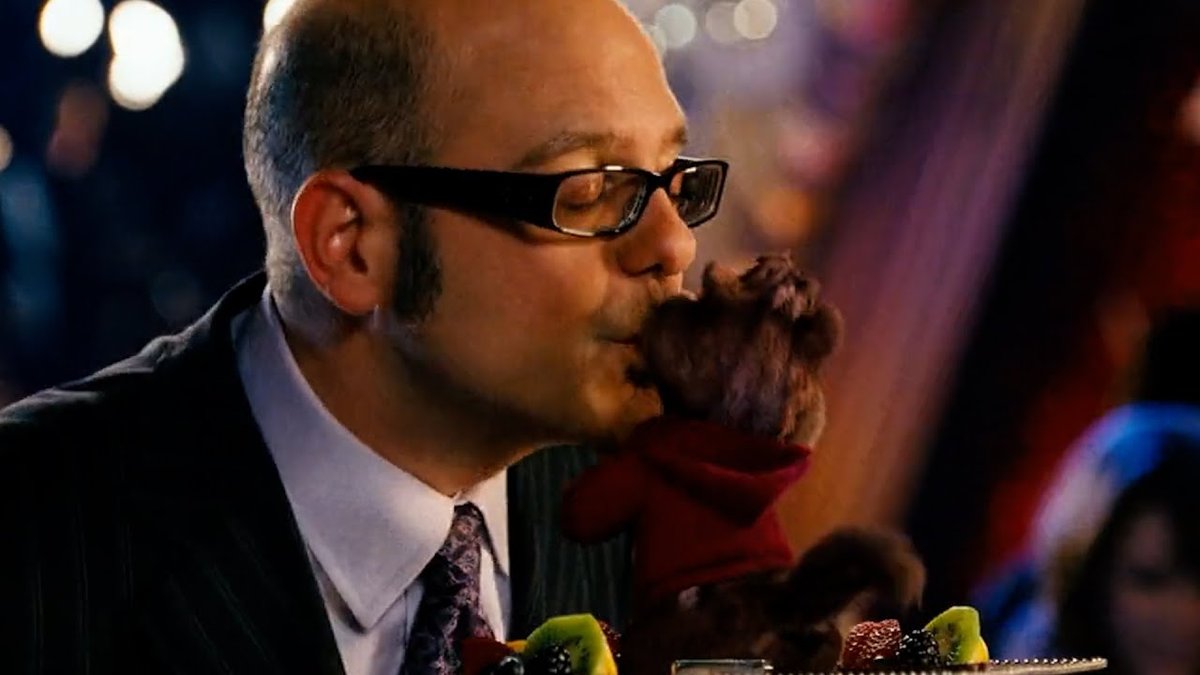
The world of Alvin and the Chipmunks offers more than just catchy tunes and high-pitched antics; it presents a surprisingly complex character study, particularly in The Dynamic Between Ian Hawke and The Chipmunks. What began as a classic tale of corporate exploitation quickly morphed into a bitter rivalry, a desperate grasp for redemption, and, ultimately, an unlikely friendship. From a ruthless music executive preying on innocent talent to a humbled pelican mascot and finally a trusted ally, Ian Hawke's journey is a rollercoaster of ambition, failure, and transformation, mirroring and often driving the Chipmunks' own growth from naive stars to savvy survivors.
At a Glance: Ian Hawke's Journey
- Initial Role: Ambitious, ruthless music executive at JETT Records, intent on exploiting the Chipmunks for massive profit.
- Early Conflict: Manipulates the Chipmunks against Dave Seville, overworks them, and prioritizes money over their well-being.
- First Downfall: Loses everything after the Chipmunks expose his schemes and escape his control.
- Revenge Arc: Adopts and manages the Chipettes for revenge against the Chipmunks, using similar exploitative tactics.
- Second Downfall: Foiled again by the Chipmunks and Chipettes, leading to utter disgrace and financial ruin.
- Lowest Point: Works as a pelican mascot on a cruise ship, blacklisted and desperate.
- Redemption: Stranded with Dave and the Chipmunks/Chipettes, he helps them, confronts his past, and truly reforms.
- Current State: Fully redeemed, best friends with Dave, manager and trusted partner to the Chipmunks and Chipettes, regaining success ethically.
The Allure of JETT Records: Ian as the Exploitative Mogul
When Dave Seville first brought the singing sensation that was Alvin, Simon, and Theodore to JETT Records, Ian Hawke saw not talent, but a goldmine. As a seasoned, albeit morally flexible, music executive, Ian's initial interactions with Dave were dismissive, viewing him as an amateur with a ludicrous idea. The Chipmunks' first, nervous audition did little to impress the cynical 40-year-old, balding executive with crooked bottom teeth.
However, a chance encounter at his house, where the Chipmunks spontaneously performed "The Chipmunk Song (Christmas Don't Be Late)," was the turning point. Ian’s eyes, once dismissive, gleamed with dollar signs. He quickly moved to sign the Chipmunks, recognizing their viral potential – "10 billion YouTube hits" – a figure that perfectly encapsulated his singular focus on commercial success. For Ian, the Chipmunks weren't artists; they were products, and Dave Seville, with his paternal concerns, was merely an obstacle to maximum profit.
The Price of Stardom: Manipulation and Overwork
Ian's true nature as an antagonist solidified as he began to actively drive a wedge between Dave and the Chipmunks. He masterfully played on the Chipmunks' innocent desire for fame and attention, whispering sweet nothings about "twenty billion dollars a day" and claiming Dave was holding them back. This calculated manipulation, combined with a misunderstanding between Dave and the boys, led the Chipmunks to move into Ian’s lavish mansion.
Life with Ian quickly devolved into a nightmare of endless rehearsals, grueling concert schedules, and media appearances that left the Chipmunks exhausted and miserable. Ian pushed them to their physical and vocal limits, dismissing their fatigue. When their voices began to give out, he advised them to lip-sync performances, prioritizing ticket sales and avoiding refunds over their health and artistic integrity. This was the epitome of Ian's exploitative management style: talent was a resource to be drained, not nurtured. This early phase of the dynamic between Ian and the Chipmunks established him as a classic villain, driven by insatiable greed.
The Curtain Falls: Ian's First Downfall
The Chipmunks, despite their initial naivete, eventually saw through Ian's lies. They discovered his deceit regarding concert tickets Dave had sent and realized the extent of his manipulation and disregard for their well-being. During a critical concert, they rebelled, refusing to lip-sync and deliberately ruining the show, publicly exposing Ian's unethical practices.
In a desperate, comedic attempt to recapture them, Ian was outsmarted by doll doppelgängers. The consequences were swift and severe: Ian lost his entire world tour, his illustrious career at JETT Records, and his fortune. His ignominious attempt to make squirrels sing for him, a pathetic echo of his former ambition, solidified his fall from grace. This marked the end of Act I for Ian, transforming him from a powerful mogul into a disgraced laughingstock.
The Descent and Twisted Vengeance: Ian's Second Act as a Villain
The second film, Alvin and the Chipmunks: The Squeakquel, opens with Ian Hawke at his absolute lowest. Jobless, broke, and eating garbage from dumpsters, he had lost everything except, as the film suggests, a shred of his dignity—though even that was debatable. His bitter rivalry with Dave Seville, his former college roommate, had intensified, fueled by resentment and a desperate need for revenge.
The Chipettes: A New Weapon for an Old Grudge
It was in this state of utter destitution that Ian stumbled upon the Chipettes: Brittany, Jeanette, and Eleanor. Seeing a mirror of the Chipmunks' talent, Ian immediately recognized an opportunity not for renewed success, but for sweet, calculated revenge. He adopted them, becoming their adoptive father, caregiver, and manager—a dark parody of Dave's relationship with the Chipmunks. He kept his true intentions secret from the girls, framing their partnership as a path to stardom and using them as pawns in his ongoing feud with Alvin and his brothers.
Ian’s management of the Chipettes was a chilling echo of his past mistakes, yet somehow more insidious due to his personal vendetta. He actively manipulated the Chipettes against the Chipmunks, particularly playing on Brittany’s ambition and ego to create discord. He also showed favoritism, often elevating Brittany while neglecting or belittling Jeanette and Eleanor, sowing division within the group—a clear tactic to maintain control and prevent a united front against him.
The Second Catastrophe: A Villain Unmasked Again
Despite his cunning, Ian’s desperation made him a more obvious, almost cartoonish, villain in the sequel. His anger and resentment were thinly veiled, contrasting sharply with his polished facade in the first film. When Brittany, displaying a growing sense of loyalty to her sisters, refused to perform without Jeanette and Eleanor, Ian’s true colors burst forth in a horrifying display. He physically grabbed the Chipettes by their tails, threatening to cook them if they didn't comply—a truly monstrous act that exposed the depths of his depravity and broke the last vestiges of trust.
Alvin, ever the hero, intervened, leading to Ian being hit by his motorcycle and once again losing his ill-gotten fortune as the Chipettes escaped his clutches. His public humiliation was complete as he was booed off stage at the Staples Center and dragged away by security, unceremoniously dumped into a dumpster. This second, more dramatic downfall cemented Ian’s status as a recurring antagonist, a man whose ambition and bitterness consistently led to his undoing.
Redemption on the High Seas: Ian's Path to Reform
By the third film, Alvin and the Chipmunks: Chipwrecked, Ian Hawke had truly hit rock bottom. Blacklisted from the entertainment industry for his past misdeeds—including, comically, passing on Justin Bieber twice—he was reduced to working as a pelican-costumed employee on a cruise ship. His dignity was gone, replaced by a desperate need to avoid Dave Seville and the Chipmunks, who, ironically, were also on the same cruise.
A Shared Ordeal: The Turning Point
Despite his attempts to avoid them, fate, in the form of a rogue paraglider, threw Ian and Dave overboard together. Stranded on a remote island with the Chipmunks and Chipettes, this forced proximity became the unlikely catalyst for Ian's redemption. Stripped of his suits, his status, and his ability to manipulate, Ian was forced to confront his past and work alongside the very people he had once so cruelly exploited.
On the island, Ian, perhaps for the first time, experienced genuine teamwork and shared vulnerability. He helped Dave rescue the Chipmunks and Chipettes from perilous situations, making choices that genuinely prioritized their safety over any selfish gain. This shared struggle allowed Ian and Dave to rekindle their fractured relationship, moving from arch-rivals to reluctant allies, and eventually to friends again. Ian even played a crucial role in convincing Zoe, another stranded character, not to let revenge consume her, directly reflecting his own past mistakes and demonstrating a newfound wisdom.
Full Circle: From Nemesis to Friend
The film concludes with Ian Hawke fully redeemed. His character arc completed a remarkable transformation from greedy antagonist to a genuine friend and partner to Dave, the Chipmunks, and the Chipettes. He wasn't just forgiven; he was integrated back into their lives, working alongside Dave. Ian even managed to regain his fame and wealth, not through exploitation, but by selling Zoe's captivating island survival story to Hollywood—a testament to his reformed approach to business.
This final chapter of Ian's journey is crucial for understanding the dynamic. It highlights the possibility of growth and change, even for a character initially defined by his villainy. It also teaches the Chipmunks the valuable lesson of forgiveness and the power of second chances, reinforcing the family values that Dave consistently championed.
The Evolving Dynamic: Greed vs. Family
The core dynamic between Ian Hawke and the Chipmunks fundamentally revolved around two opposing forces: Ian's relentless greed and ambition versus the Chipmunks' intrinsic need for family, loyalty, and genuine connection.
In the beginning, Ian saw the Chipmunks as a means to an end—a way to reclaim his former glory and accumulate unimaginable wealth. He targeted their youthful innocence and desire for stardom, believing these could be easily twisted to serve his agenda. His manipulation was designed to isolate them from Dave, their true protector, severing the emotional ties that might have interfered with his plans.
The Chipmunks, initially dazzled by the trappings of fame and Ian's grand promises, were momentarily swayed. They craved attention and the idea of being "twenty billion dollars a day" rich. However, their inherent goodness and the deep-seated love for Dave ultimately prevailed. The relentless pressure, the lies, and the realization that Ian cared only for their commercial value, not for them, forced them to choose. Their escape and betrayal of Ian in the first film was a powerful affirmation that family and authenticity mattered more than fame.
The dynamic became even more complex with the introduction of the Chipettes. Ian’s attempt to pit the girls against the boys was a direct attack on the very idea of a harmonious group dynamic. Yet, Brittany, Jeanette, and Eleanor, too, eventually learned the same lesson as the Chipmunks: true success and happiness stem from mutual respect and care, not from an exploitative manager.
By the third film, Ian's genuine transformation allowed the dynamic to finally shift from adversarial to collaborative. He ceased trying to exploit, manipulate, or control. Instead, he contributed, supported, and eventually, became a friend. His redemption allowed the Chipmunks to gain not just a manager with industry know-how, but an extended family member who had truly learned his lesson. This full circle journey underscores a central theme of the series: the enduring power of genuine relationships over superficial success.
What Drove Ian's Change?
Ian's transformation wasn't a sudden epiphany but a gradual process fueled by repeated failures and extreme humility.
- Loss of Power and Status: Each downfall stripped him of more than just money; it stripped him of his identity as a successful, feared executive.
- Forced Vulnerability: Being stranded on an island with Dave, the very man he despised, forced him into a position where he couldn't hide behind his wealth or status. He had to rely on others and contribute genuinely.
- Seeing His Own Reflection: His interaction with Zoe, warning her against revenge, was a direct projection of his past self, allowing him to articulate and, hopefully, internalize the destructive nature of his old ways.
- Witnessing Genuine Connection: Being around the Chipmunks and Chipettes, and seeing Dave's unwavering love and support for them, likely served as a constant, if initially irritating, reminder of what he lacked and what truly mattered.
Addressing Common Questions About Ian Hawke
Many viewers wonder about the nuances of Ian Hawke's character and his remarkable transformation. Let's tackle some frequently asked questions.
Was Ian Hawke truly evil, or just misguided by ambition?
Initially, Ian was certainly driven by extreme ambition and greed, making him an antagonist rather than purely "evil." He was self-serving, manipulative, and had little regard for the well-being of others, especially his young artists. However, his actions, particularly threatening the Chipettes by their tails, bordered on genuinely malicious. By the third film, it becomes clear his actions stemmed more from a desperate, unchecked hunger for power and wealth, coupled with profound bitterness, rather than a desire for pure destruction. His eventual remorse and capacity for genuine help suggest he was misguided, though dangerously so, rather than inherently wicked.
How did Dave Seville, Ian's archrival, truly reconcile with him?
The reconciliation between Dave and Ian was a slow burn, culminating in Chipwrecked. Their rivalry stemmed from college, resurfacing intensely when Ian exploited the Chipmunks. Dave consistently protected the Chipmunks from Ian's schemes. The turning point came when they were stranded together. Faced with shared adversity and mutual dependence, Dave witnessed Ian's genuine efforts to help and protect the children. This shared experience, devoid of corporate structures and public personas, allowed them to see each other as vulnerable humans. Ian's active role in saving the Chipmunks and Chipettes, and his advice to Zoe, demonstrated a profound change of heart, earning Dave's trust and forgiveness.
What was the most significant turning point for Ian's redemption?
While his initial fall from grace was a wake-up call, the most significant turning point was undoubtedly being stranded on the island in Chipwrecked. This isolated, survival-based environment stripped away all his defenses and forced him to confront his true self. Without his wealth, power, or the ability to manipulate, he had to contribute authentically. Helping Dave and the Chipmunks/Chipettes without expectation of personal gain, and his wisdom shared with Zoe, solidified his shift from self-interest to genuine care. It was here that he truly began to heal and redeem himself.
Lessons Learned from Ian Hawke's Journey
Ian Hawke's multi-film arc offers valuable insights, not just for the Chipmunks, but for anyone navigating relationships and career paths.
The Perils of Unchecked Ambition
Ian's story is a stark reminder that ambition, when untempered by ethics and empathy, can be destructive. His relentless pursuit of "twenty billion dollars a day" led him to sacrifice integrity, alienate allies, and ultimately, lose everything he once valued. It's a cautionary tale against prioritizing profit over people.
The Power of Genuine Relationships
Dave Seville consistently modeled the importance of family, trust, and genuine care. This unwavering commitment to the Chipmunks' well-being was the antithesis of Ian's approach and ultimately the stronger, more enduring foundation. Ian's redemption was only possible when he embraced these values, forming a real bond with the Chipmunks, Chipettes, and Dave.
The Possibility of Redemption
Perhaps the most uplifting lesson from Ian's journey is the powerful message of second chances. Even after repeated betrayals and a descent into bitterness, Ian was able to reform, rebuild trust, and find a place within the Chipmunk family. It suggests that individuals can change, and forgiveness can pave the way for new beginnings.
Looking Ahead: The Enduring Legacy of the Dynamic
The evolution of The Dynamic Between Ian Hawke and The Chipmunks is a testament to the storytelling depth within the Alvin and the Chipmunks film series. It moves beyond simple good-versus-evil narratives to explore themes of greed, manipulation, forgiveness, and the transformative power of human connection. Ian Hawke’s journey from main antagonist to a reformed friend provides a rich emotional core to the films, showcasing how even the most self-serving individuals can find redemption when faced with their true selves and given a chance to make amends.
This complex relationship reminds us that life, much like a catchy Chipmunk song, can have many verses, some discordant, some harmonious, but all contributing to a larger, more meaningful melody. Understanding Ian's arc enriches our appreciation for the Chipmunks' world, demonstrating that even those who stumble spectacularly can eventually find their way back to a place of trust and belonging.